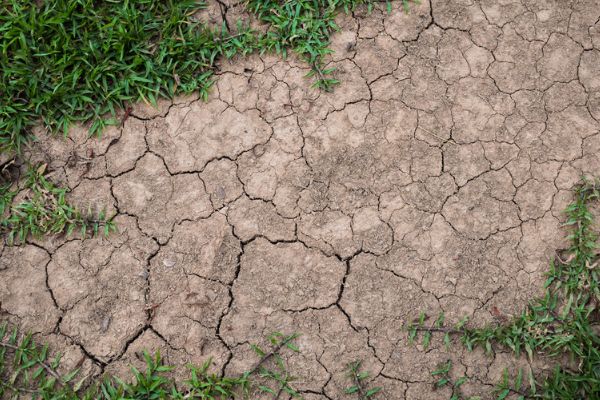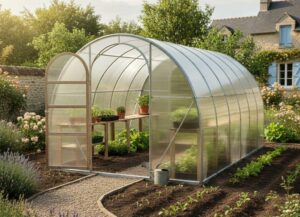
In this article, we will explore different strategies, ranging from ground cover plants to mulching with plant waste, including the use of Ollas Jamet, the creation of shade through trees and shrubs, and the installation of water points.
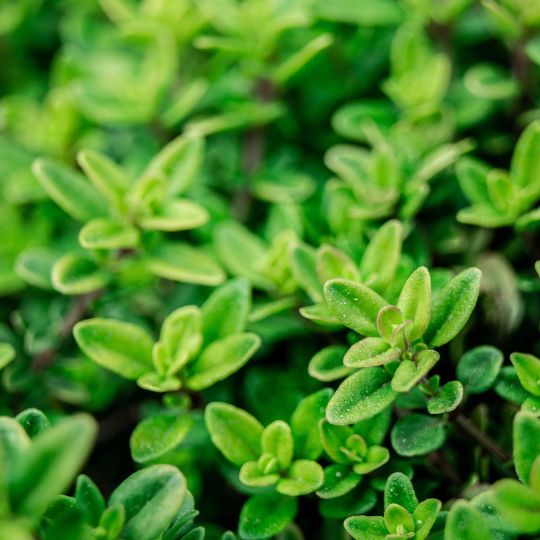
Put ground cover plants resistant to drought:
One of the first solutions to consider for combating drought is the use of ground cover plants adapted to arid conditions. These plants, such as Artemisia, Lavender, or Sedum, have the ability to thrive with little water. They often have thick, waxy leaves that reduce transpiration, thus preserving their internal moisture. In addition, they provide ground cover that limits water evaporation and prevents weed growth.
Use mulch from plant waste:
Another effective technique for combating drought is using mulch made from plant waste. This method offers several advantages. First, mulch reduces water evaporation from the soil by protecting it from direct sunlight. Furthermore, it retains moisture, preventing the soil from drying out quickly. By using materials such as fallen leaves, grass clippings, or wood chips, you will also improve soil structure and promote beneficial microbial life.
Install Ollas Jamet:
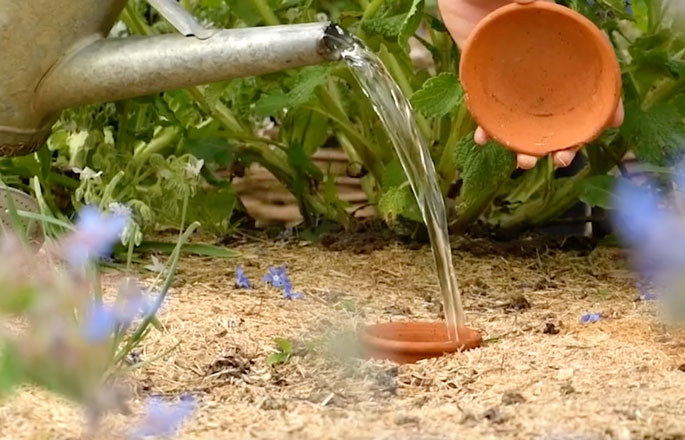
Jamet Ollas are porous clay pots used for irrigation. They are buried near plants and filled with water. Thanks to their porosity, the water slowly seeps into the soil , directly to the plant roots, thus preventing water waste through evaporation. This time-honored method is effective for maintaining regular and adequate plant hydration while conserving water. By using Jamet Ollas, you can better control your garden's irrigation and minimize water loss.
Reduce garden mowing and limit lawn spaces:
A common practice is to mow the entire lawn regularly. However, by letting some areas of grass grow longer, you create a natural ground cover that retains soil moisture and protects plant roots from excessive heat. Unmowed areas act as buffer zones, reducing water evaporation and providing additional shade. Furthermore, a slightly longer lawn encourages deeper root development, making plants more drought-tolerant.
Consider reducing the size of your lawn by replacing it with drought-tolerant flowerbeds, rock gardens, or gravel areas. Lawns require a significant amount of water to stay green, while other landscaping options can be just as attractive while requiring less maintenance and watering.
Introduce trees and shrubs to create shade:
Trees and shrubs play a vital role in combating drought. Their dense foliage provides protection from direct sunlight, thus reducing water evaporation from the soil. By planting species suited to your climate, such as holm oak or eastern red cedar, you can create shady areas in your garden, offering refuge to plants most sensitive to heat. Furthermore, trees and shrubs help maintain ecological balance by providing habitat for birds and beneficial insects.
Install water points:
Adding water features to your garden is an excellent way to combat drought. Ponds, fountains, or small pools provide a constant water source for plants and will also attract birds, butterflies, and other animals that contribute to the ecological balance of your garden. Make sure the water is changed regularly to prevent stagnation and mosquito breeding. Additionally, you can install drip irrigation systems around your plants to supply them with water directly, reducing evaporation losses, or use Ollas Spéléo (Ollas connected in series).
Collect and use rainwater:
Install rainwater harvesting systems, such as gutters and rainwater tanks, to collect rainwater. This water can then be used to water your garden during dry periods. Rainwater is natural, free, and chemical-free, making it a valuable resource for preserving soil moisture without using drinking water.
Choose drought-tolerant plants:
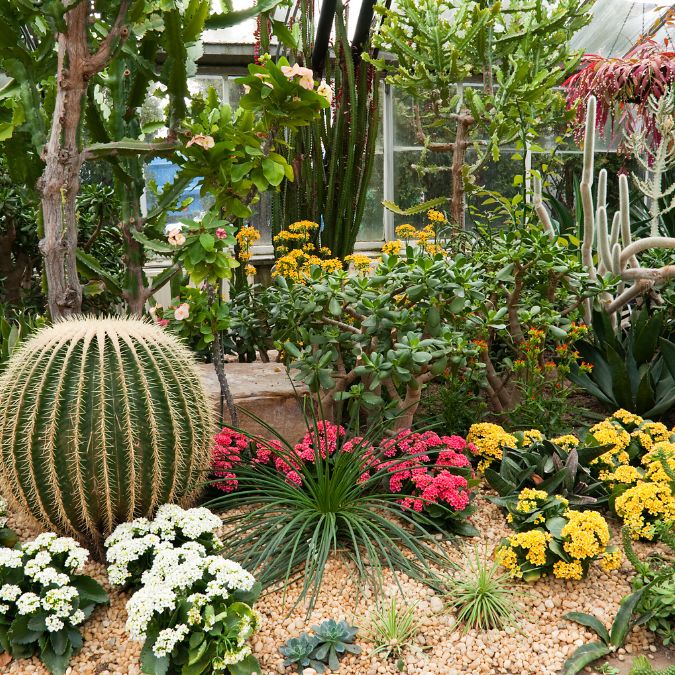
Choose plants that are naturally adapted to arid climates and require less water to thrive. Cacti, succulents, grasses, and drought-tolerant are excellent choices. These plants have evolved to adapt to dry conditions and can survive with minimal water.
Implement crop rotation and soil improvement:
Practice crop rotation in your garden to prevent soil nutrient depletion. Healthy soil rich in organic matter retains water better and provides plants with the nutrients they need to withstand drought. Add compost regularly to improve soil structure and increase its moisture retention capacity.
Use temporary shading techniques:
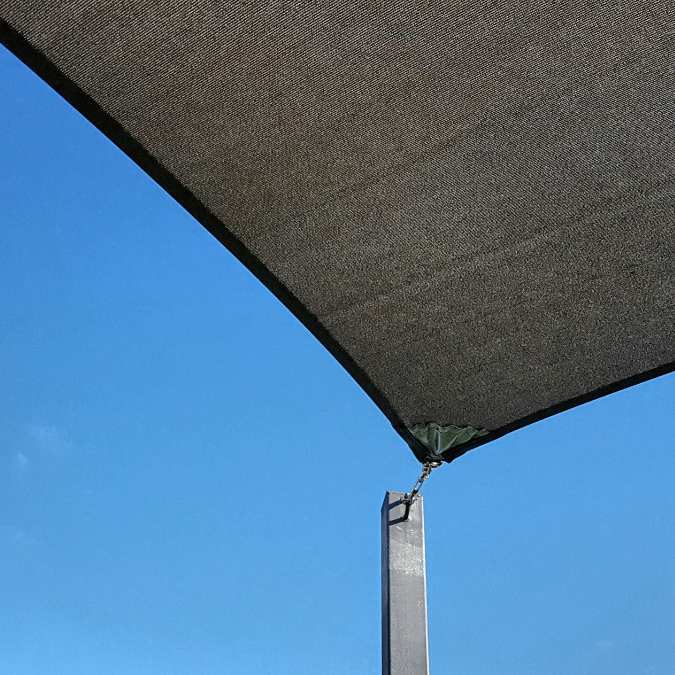
By using shade sails, trellises, or pergolas covered with climbing plants, you can create temporary shaded areas in your garden. These structures provide protection from direct sunlight, reducing water evaporation from the soil and allowing plants to better withstand drought.
Combating drought in the garden requires a proactive approach and various strategies. By using drought-resistant ground cover plants, mulching plant waste, using Ollas Jamet, limiting garden mowing, planting trees and shrubs to create shade, and installing water points, you can preserve the beauty and vitality of your garden even in times of drought.